
THE DOODLE GUIDE TO PAID SEARCH
Make every click count for something.
Your Google Ads budget is real money, so someone needs to pay attention to where it goes. Webskout reviews search intent, ad wording, landing pages and the performance data available to us. A real person makes the campaign decisions and explains the changes; Google’s automated tools support the work, but they do not replace that judgment.
✳ Intent-led campaigns✳ Clear spend boundaries✳ Enquiries over vanity metrics

a useful search → a relevant ad → a clearer next step ✳
Search with purpose✳Clicks with context✳Measurement with meaning✳Work you can follow
01 / THE SIMPLE EXPLANATION
Paid advertising shouldn't feel like guesswork.
PPC stands for pay per click. In many paid search campaigns, you pay when somebody clicks your ad. But buying a click is only the beginning. What matters is whether the ad meets a real need and whether the person finds a helpful next step after they arrive.
We help connect these pieces: customer intent, keyword choices, ad wording, useful landing pages, campaign settings, conversion tracking, and ongoing decisions. The goal isn’t simply to appear more often. It’s to make spending more accountable and the customer journey easier to navigate.
01
Search demand exists
Someone types a query that could signal a need for what you offer.
02
Your ad is relevant
The message connects that search to a specific, useful offer.
03
The next step is clear
The landing page answers questions and makes enquiry easy.

02 / FOLLOW A CUSTOMER
From a quick search to a real conversation.
Here is an illustrative journey for a local home-cleaning business. Actual results depend on relevance, competition, the offer, the website, and many other factors.
01
They search
Someone looks for a nearby cleaning company because they need help this week.
02
They see an ad
A relevant search ad describes the service and sets a clear expectation.
03
They visit
A focused landing page answers practical questions and builds confidence.

04
They enquire
They may call, submit a form, or book a consultation if the offer fits.
05
We learn
We review meaningful actions to decide which messages and searches merit more attention.
An ad doesn’t guarantee an enquiry. Good campaign management improves clarity, controls, and evidence over time.
03 / BEHIND THE SCENES
Google Ads isn't just about who bids the most.
In Google’s ad auction, the bid matters, but so do the quality and relevance of the ad experience, the context of a search, and other auction signals. Simply raising a budget doesn’t make a weak page more useful to a customer.
We focus on matching the customer’s question to an appropriate message and destination, while controlling spend and reviewing what happens after the click.

Helpful beats hype. Every step should make sense. ↗
04 / THE WORK WE DO
A complete campaign needs more than an on switch.
These are the practical parts of PPC management. Scope is agreed for your business, and platform features vary by account, location, and campaign type.
02
Campaign architecture
Organise campaigns, ad groups, objectives, geography, and settings so budgets have a clear purpose. A sensible structure also makes future optimisation easier to understand.
03
Keywords & exclusions
Choose relevant search terms and review negative keywords or other exclusions where applicable. This helps limit spend on searches that do not match what you offer.
04
Ad copy & creative
Write clear, relevant messages grounded in your actual services and offers. We test variations carefully instead of relying on exaggerated claims or clickbait.
05
Landing page guidance
Review the destination page for mobile usability, message consistency, speed, trust, and clear calls to action. Ad quality and page quality support each other.
06
Conversion tracking
Define what counts as a meaningful action, such as a qualified form submission or suitable call event. Set up and test tracking as permitted by your tools and consent requirements.
07
Budget & bid controls
Agree spending limits, campaign priorities, and bidding approach. We check pacing and make measured adjustments with your approval and business context.
08
Ongoing optimisation
Review search terms, assets, devices, audiences, locations, and conversion quality. Decisions should come from useful data, not a promise of perfect performance.
09

Clear client reporting
Explain what was done, what changed, what the numbers mean, and what we recommend next. Reporting should distinguish observations from conclusions.
What isn’t automatically included?
Media spend paid to Google, third-party subscriptions, complex video production, a full website rebuild, and any additional tools are scoped separately. You’ll know what your service includes before work starts.
05 / DIFFERENT GOALS, DIFFERENT SETUPS
Which kind of campaign fits?
We don’t recommend a campaign type simply because a platform offers it. We first look at the goal, audience, available creative, and how success could be measured.
People already looking
Search campaigns
Reach people who actively search for products or services like yours. Search intent and landing page relevance are especially important.
Your business name
Brand protection
Help users who search for your business name find an appropriate official destination. Value depends on your market and existing visibility.

Service-area demand
Local lead campaigns
Promote a location-based service where leads, calls, or appointments matter. Coverage and availability need to match what you can deliver.

A useful second touch
Remarketing, if suitable
Reconnect with eligible past visitors where policy, consent, audience size, and platform requirements permit. Not every account will qualify.
06 / THE BUDGET STORY
Know where the money goes.
One of the first questions business owners ask is: “How much do I have to spend?” The responsible answer depends on your industry, location, competition, and the value of a qualified customer.
There are two separate costs to discuss. Advertising spend is the amount paid to the advertising platform for eligible ad activity. Management fees cover strategy, setup, ongoing optimisation, and reporting by your marketing partner. Any landing-page work or software should be clearly scoped as well.
Use this interactive example to understand monthly pacing. It is a budgeting illustration, not a traffic, click, or revenue forecast.
Media spend to advertising platformManagement fee quoted separately
INTERACTIVE PLANNING EXAMPLEExample monthly ad budget
$USD / month
$300$10,000
Approximate daily pacing across 30 days$50.00
Example share set aside for media$1,500.00
Webskout management feeNot included
✳ This tool only divides a hypothetical budget into a daily planning figure. Platform spending is not perfectly even every day, and this does not predict clicks, leads, or conversions.
07 / AFTER THE CLICK
A strong ad needs a helpful destination.
Even a relevant ad can lose a potential customer if the landing page is confusing, too slow, or missing practical information. We pay attention to the full experience, not just the ad account.

Message match
The page should reflect what the ad actually promised.
Clarity and trust
Show relevant services, useful details, and only genuine credentials or proof.
A sensible next step
Make it easy to request a quote, call, or ask a question.
Mobile usability
Keep important details readable, navigable, and fast on smaller screens.
08 / A BUSINESS EXAMPLE
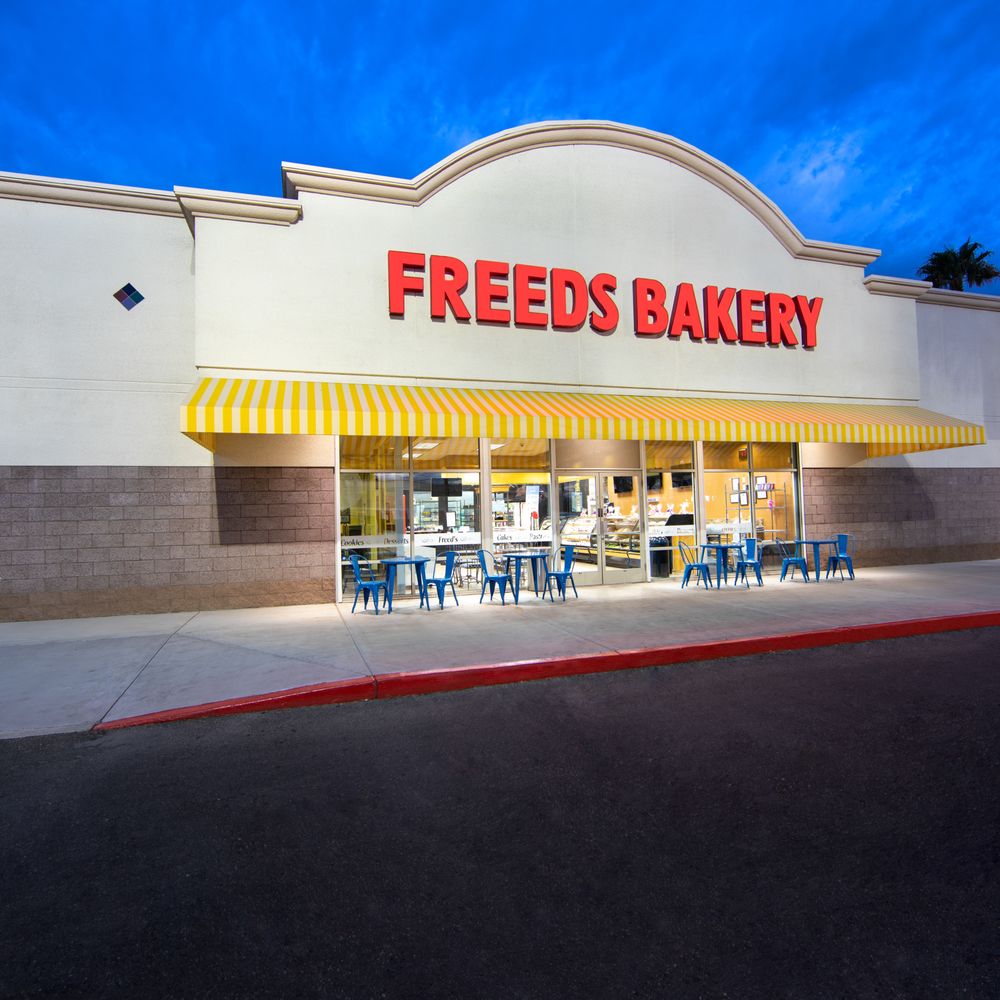
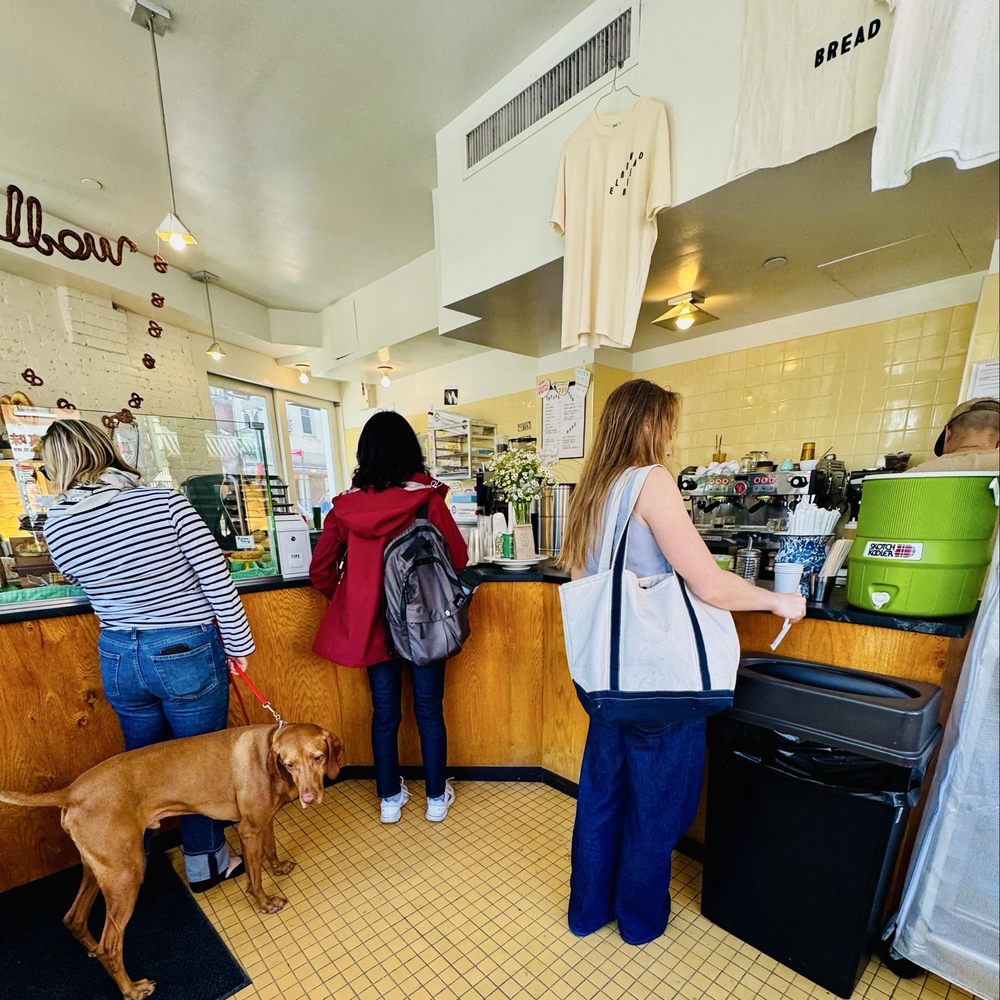
Imagine a local bakery that wants more cake enquiries.
This is a hypothetical example designed to explain the process, not a real client case study or a promise of results.
BEFORE: AN UNCLEAR JOURNEY
Lots of services. Little direction.
The bakery promotes cakes, catering and everyday pastries with one generic ad, sends people to its homepage, and cannot easily distinguish cake-order enquiries from casual visitors.
We change the journey
↘
Relevant searches
Useful ad copy
Focused landing page
Tested enquiry events
↗
AFTER: A CLEARER CAMPAIGN SYSTEM
One question. One useful next step.
The bakery can now test a focused celebration-cake campaign, a page describing custom orders, and clearer tracking for enquiry forms. Performance still needs testing and review.
What this example teaches: the goal is not to buy the most visitors. It is to connect suitable demand to an offer that the business can deliver, then learn from what happens next.
09 / REPORTING THAT MEANS SOMETHING
Don't just show clicks. Explain what they mean.
Useful PPC reporting ties the campaign back to the business. A high click-through rate may tell us the message is relevant, but it doesn’t automatically mean leads are qualified. More conversions may be helpful, but only if tracking is correct and the actions matter.
We distinguish platform metrics from business outcomes. When tracking is limited, attribution is incomplete, or lead quality is unclear, we say so. The useful question is what the data supports and what should happen next.
ILLUSTRATIVE REPORT LAYOUTMonthly campaign review
Campaign spendTrackedAgainst agreed budget
Relevant clicksReviewedWith search intent
EnquiriesValidatedWhere tracking allows
Lead qualityDiscussedWith your team
What changed?What did we learn?What’s next?
Example layout only: no fabricated client performance data.
10 / OUR WORKING PROCESS
A clear plan from first call to ongoing improvement.
What we do is documented so you understand the campaign, the decisions, and where your input is needed.
01
Discover the opportunity
We discuss your services, customers, locations, budget boundaries, and the enquiries that would genuinely help your business.
02
Plan the campaign
We map suitable searches, advertising structure, messages, destination pages, exclusions, and measurement requirements.
03
Build & check
We prepare ads and settings, connect or verify conversion events, test the landing journey, and confirm launch approvals.
04
Review & improve
We monitor meaningful signals, recommend changes, report clearly, and keep aligning the campaign with the quality of enquiries.
11 / YOUR BUSINESS, YOUR ACCOUNT
You should always know what you own.
Clear access and ownership boundaries matter. The business should understand which advertising account is being used, who administers it, who controls payment methods, and how reporting can be accessed. We prefer transparent working arrangements rather than mysterious dashboards.
Before launch, we agree who provides approved offers, service details, geographic limitations, creative feedback, and final decisions. That saves time and prevents spending money to promote something that is outdated or unavailable.
From your team
- Accurate business and service details
- Agreed advertising budget and approvals
- Feedback about enquiry quality
- Access to relevant pages and tracking
From Webskout
- Clearly scoped setup and management
- Explanations of key decisions
- Reporting with real context
- Recommendations for improvement
12 / WHO PAID SEARCH MAY HELP
Different businesses. Different buying moments.
Good advertising starts with the customer’s situation. The same campaign structure won’t suit every business, even within the same industry.
Local services
People comparing options nearby

Home improvement
People researching quotes and availability

Online retail
People exploring specific products

Private practices
People seeking suitable information or appointments

Education & training
People comparing courses and providers

Property services
People making high-consideration enquiries
Some industries are subject to platform restrictions or additional verification. Eligibility, targeting, and messaging are reviewed before any campaign is proposed.
13 / MORE THAN PAID SEARCH
Your ads work better when the rest of your marketing makes sense.
Ads are one way people find your business. SEO can support organic discovery; strong website design helps visitors understand the offer; useful content helps answer their questions; and social activity can build familiarity over time. These channels should support real business priorities, not compete for attention.
14 / QUESTIONS, ANSWERED
Let's make paid search feel less mysterious.
These are some of the practical questions business owners ask before investing in advertising.
PPC means pay per click, a model where advertisers commonly pay when a person clicks an ad. Search campaigns often appear in response to relevant searches, subject to platform eligibility and auction conditions. A click is not the same as a sale or a qualified lead.
No, not automatically. Ad spend paid to the advertising platform and Webskout’s service fee are separate items unless a specific written proposal explicitly says otherwise. You should know both amounts and any extra production or tool costs before approving work.
Timing depends on account access, platform review, website readiness, creative approvals, policy requirements, and conversion tracking. We confirm a realistic preparation and launch sequence after seeing the account and the scope.
There is no universal minimum that guarantees useful results. A practical test budget depends on the competitiveness of your market, the relevance of your offer, your location, and the commercial value of qualified enquiries. We agree boundaries before launching.
No. Search volume, competitors, customer demand, auction conditions, landing-page quality, pricing, and follow-up all influence results. We can agree goals and measurement, but we will not promise an unsupported number of leads or sales.
Not always. Some websites already have a suitable service page. Others may need a focused landing page or straightforward corrections first. We assess whether the destination supports the ad and gives visitors enough information to act.
Ownership, admin access, payment methods, and access for Webskout should be confirmed during onboarding. We favour transparent arrangements where your business retains appropriate control over its accounts and data.
A conversion is a defined action that matters to your business, such as a successfully submitted enquiry or a suitable tracked call. The event must be configured and tested. Not every conversion automatically represents a qualified prospect.
Where appropriate, we use search-term reviews, negative keywords, geography settings, ad relevance, and campaign segmentation. No filtering technique eliminates every irrelevant click, so monitoring and updates remain important.
Paying for Google Ads does not directly buy higher organic search rankings. Advertising and SEO are different channels. They can support the same business goals, and a better site experience can be helpful for both.
Campaign eligibility depends on local law, industry rules, Google policies, verification, and account circumstances. We review restricted or sensitive categories before discussing possible setup.
The report should show agreed spend and meaningful metrics, relevant changes made, observations about conversion quality where available, limitations in the tracking, and clear next steps. The exact metrics depend on your business goals.
READY WHEN YOU ARE
Let's build ads around real business goals.
Tell us what you sell, where your customers are, and what a good enquiry looks like. We’ll help you figure out whether PPC is the right next move and what needs to be ready first.
Or email info@webskout.com