
Home / Our Work
REAL BUSINESSES. CLEARER STORIES.
Real projects. Distinct businesses.
These are real business websites in areas such as food, ecommerce, tailoring and education—not fictional AI-generated success stories. Explore the actual pages and how they present products or services to visitors. We describe what is observable and avoid making up traffic figures, rankings or client results that cannot be verified.
✳ Four real websites✳ Industry-specific project profiles✳ Honest, evidence-led context
Show the thinking. Make it make sense. ✳
Real businesses, responsible project storytelling.
Explore four real business websites from Webskout’s project experience, with profiles that explain each business and its customer journey.
REAL BRANDS. REAL WEBSITES.
Different industries. Real projects to explore.
A selection of real businesses from Webskout’s project experience. Explore the audiences they serve, the websites they present, and the questions behind a useful digital journey.

REAL WEBSITE
ECOMMERCE & APPAREL
Turtles & Tees
A specialist online retailer of golf and tennis apparel for children and matching family outfits.
Junior apparelOnline shoppingCategory discovery

REAL WEBSITE
FASHION & BESPOKE
Lucky & Oscar
An established Bangkok tailoring business offering made-to-measure suits, shirts, and other garments.
Bespoke tailoringAppointment journeyEducational content
REAL WEBSITE
EDUCATION & TUTORING
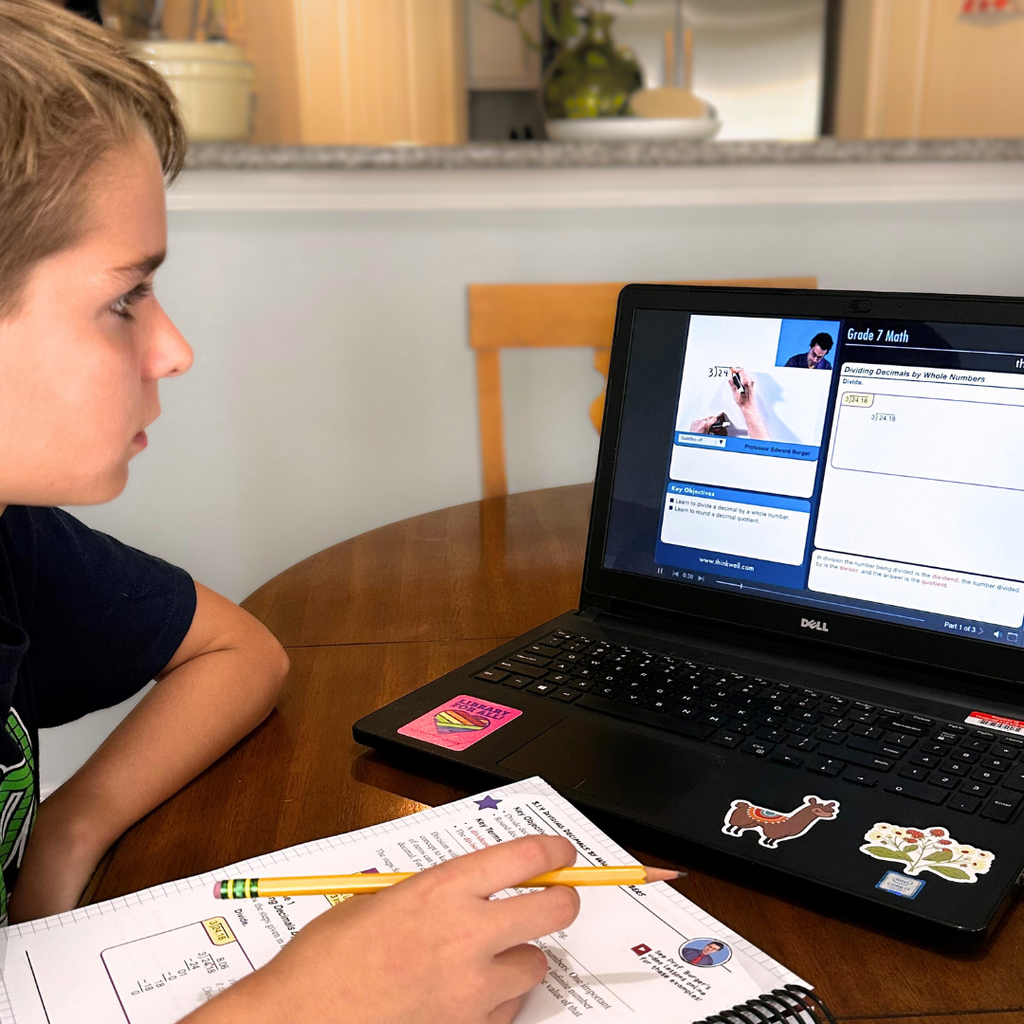
MindLift Scholars
Online one-to-one maths tutoring for students in Classes 1–8 in Australia.
Online educationFree trial enquiriesParent questions
✳
A note on project details: These profiles describe real businesses and their public-facing websites. Specific service roles, project dates and performance outcomes are shared when supported by project records.
WHAT MATTERS BEHIND THE DESIGN
Not just a pretty page. A useful path forward.
Good digital marketing connects the reason someone discovers a business with the information that helps them choose it. A polished website with no clear purpose is not enough. Neither is traffic that never leads to a useful conversation.
That is why each story below connects customer questions, channel choices, content, the website experience, and practical ways to review what happened. A project is more than an attractive before-and-after image.
DiscoverableUnderstandableCredibleActionable
✳ regcakes.com
↗ Explore the live project
↗ Explore the live project
REAL WEBSITE PROFILE 01 · UNITED STATES
RegCakes: A local bakery with a story worth finding.
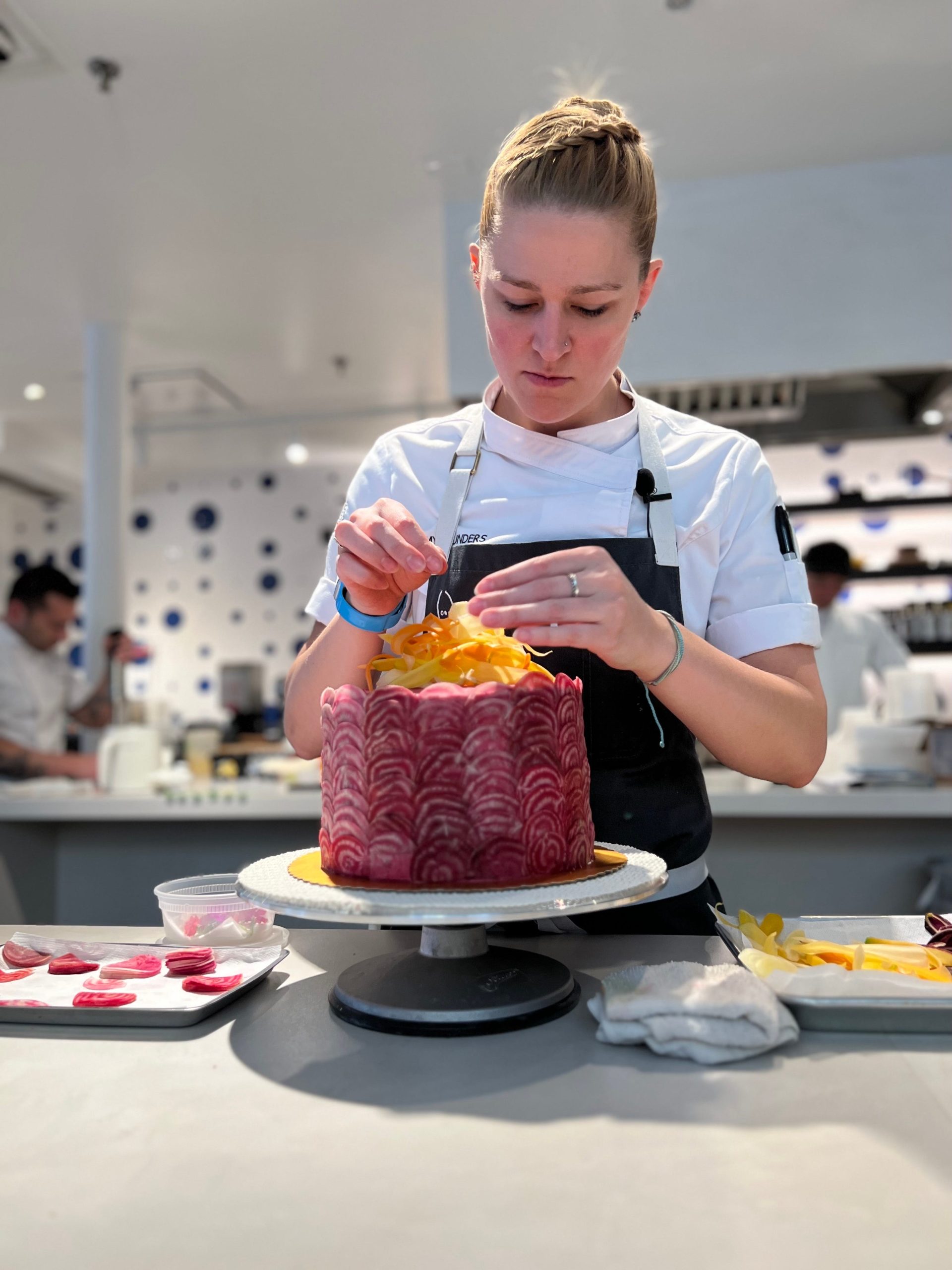
RegCakes is a 100% gluten-free bakery and café in Savoy, Illinois, serving the wider Champaign–Urbana community. Its public website introduces cakes, cupcakes, café offerings, ordering options, and the bakery’s story.
For a local food business, the online journey starts before someone steps inside. Customers need to understand what makes the bakery distinctive, confirm where it is, discover the products offered, and find an easy ordering or contact route. RegCakes makes these areas visible through its location details, product pages, and calls to order.
Useful marketing review questions include whether key product pages answer common queries, how location information appears on mobile, whether occasion-based searches lead to relevant pages, and whether the contact journey is straightforward. These are illustrative review themes, not claims about services Webskout already delivered.
What the public website shows
- 100% gluten-free position prominently stated
- Cakes, cupcakes, café offerings and other products presented
- Savoy address, hours, ordering and delivery options
Useful review questions
- Local search visibility and location consistency
- Product discovery and helpful ordering information
- Mobile enquiry and ordering journey
Project context
This profile focuses on the business context and customer journey. Specific deliverables, project dates and performance figures are not included.
✳ turtlesandtees.com
↗ Explore the live project
↗ Explore the live project
REAL WEBSITE PROFILE 02 · UNITED STATES
Turtles & Tees: Distinctive apparel, clear shopping paths.
Turtles & Tees is a specialist ecommerce brand focused on junior golf and tennis clothing, with ranges for girls, boys, infants and toddlers, plus coordinated family outfits. Its public storefront presents product collections, category navigation, offers, and individual apparel pages.
Specialist ecommerce stores have two jobs at once: help people discover the collection, then help them find the right product and feel comfortable buying it. That requires useful categories, accurate garment information, navigable mobile shopping, and clear answers around delivery and returns.
Potential marketing discussion points include category-level organic search intent, product page clarity, seasonal editorial content, and connecting social discovery to appropriate collections. Those are possible areas of analysis, not statements that a particular campaign was carried out.
What the public website shows
- Girls, boys, infant and toddler collections
- Golf and tennis apparel plus matching family looks
- Individual product listings, sale selections and help pages
Useful review questions
- Collection architecture and product SEO
- Shopping experience and mobile navigation
- Editorial topics for sport and family buyers
Project context
This profile focuses on the business context and customer journey. Specific deliverables, project dates and performance figures are not included.
✳ luckyandoscar.com
↗ Explore the live project
↗ Explore the live project
REAL WEBSITE PROFILE 03 · THAILAND
Lucky & Oscar: Craftsmanship deserves a clear digital introduction.
Lucky & Oscar is a Bangkok-based bespoke tailoring business offering custom suits, shirts, jackets, and additional tailored garments. Its public website explains the tailoring experience, showcases products and pricing information, and provides appointment and contact routes.
For a high-consideration service like tailoring, customers often need answers before they are ready to book: what is bespoke, what can be customised, how fittings work, which fabrics are available, and what an appointment involves. The site provides context for a purchase that depends heavily on expertise and confidence.
Content structure, local search intent, product education, and booking accessibility are relevant points to examine for businesses of this type. The profile describes visible website information and broader review possibilities, without attributing unverified changes or results to Webskout.
What the public website shows
- Custom suits, shirts and tailoring services explained
- Products and pricing sections
- Appointment/contact route and tailoring advice articles
Useful review questions
- Service and product search intent
- Trust-building informational content
- Appointment-oriented customer journey
Project context
This profile focuses on the business context and customer journey. Specific deliverables, project dates and performance figures are not included.
REAL WEBSITE PROFILE 04 · AUSTRALIA
MindLift Scholars: A clearer route from a parent’s question to a trial lesson.
MindLift Scholars offers personalised online maths tutoring to students in Australia, focusing on Classes 1 through 8. Its public site explains one-to-one classes, learning support, individualised instruction, and a free trial lesson invitation.
When families evaluate tutoring, they want to know who the lessons are for, how sessions happen, what learning support looks like, and how to get started. Clear explanations and reassuring next steps matter as much as attractive graphics. The website offers a useful illustration of an education-focused enquiry journey.
For similar education services, useful review questions can cover audience-specific content, search visibility for tutoring needs, how the free trial is described, and whether mobile parents can make an enquiry quickly. This is an illustrative analysis, not a verified record of Webskout deliverables.
What the public website shows
- Australia-facing 1-to-1 online maths tutoring
- Classes 1–8 focus and personalised lessons
- Free trial call to action and learning-process explanation
Useful review questions
- Parent-focused answers and search intent
- Clarity of class options and trust signals
- Trial-class enquiry journey
Project context
This profile focuses on the business context and customer journey. Specific deliverables, project dates and performance figures are not included.
THE METHOD BEHIND THE MOMENTS
How a project becomes work you can follow.
Real project work should come from a clear sequence of decisions and checks. Here is how a typical Webskout engagement is intended to move from an uncertain question to defined, reviewable work.
01 / DISCOVER

Find the actual problem
Understand the business, its audience, current assets, goals, constraints, and questions a real customer is trying to answer.
02 / PLAN
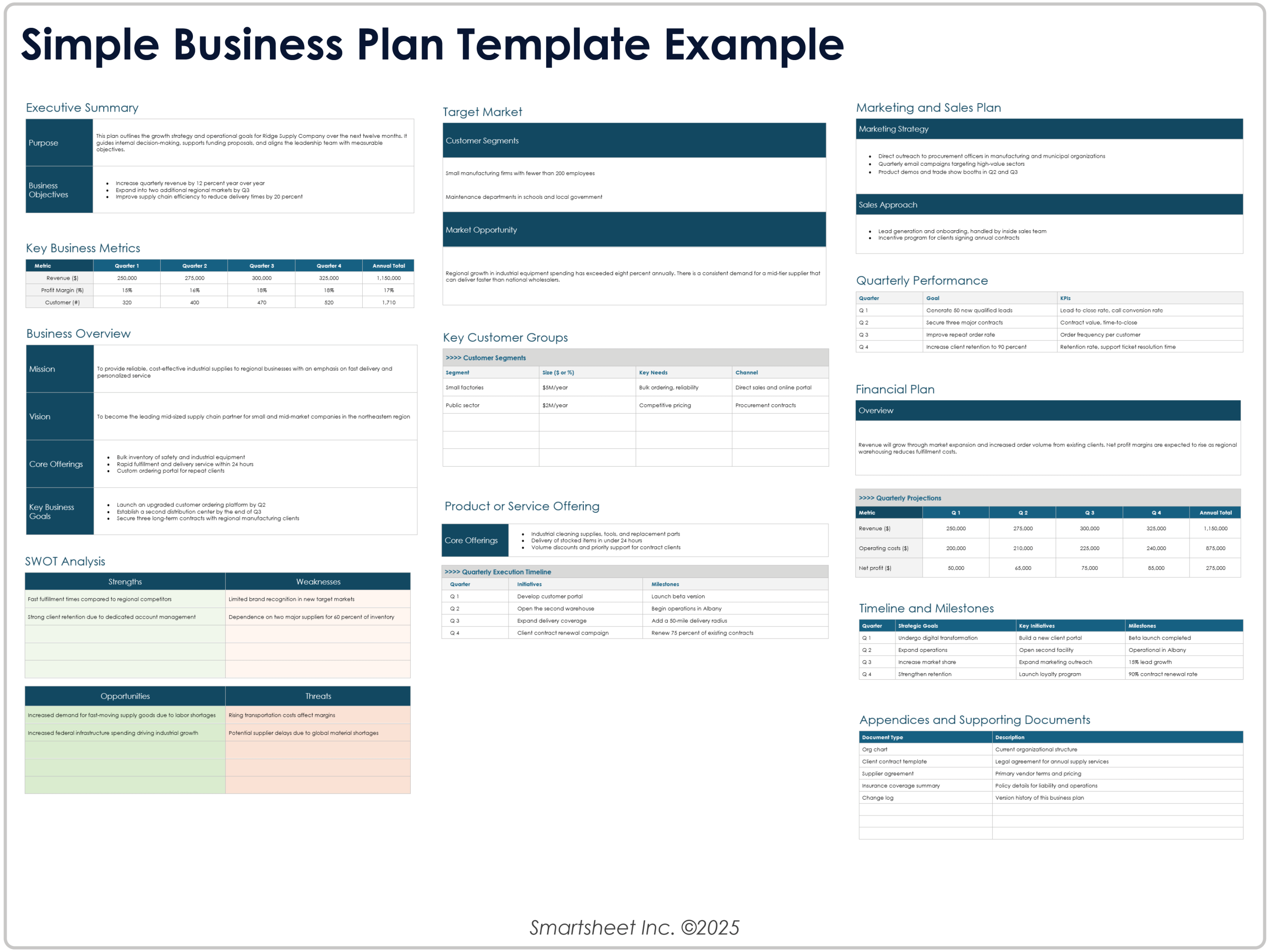
Agree on scope
Translate the challenge into priorities, responsibilities, content needs, access permissions, milestones, and the signals worth measuring.
03 / MAKE

Build and check
Create the agreed pages, marketing assets, campaigns, or improvements. Review the details, collect approvals, and test important journeys.
04 / REVIEW
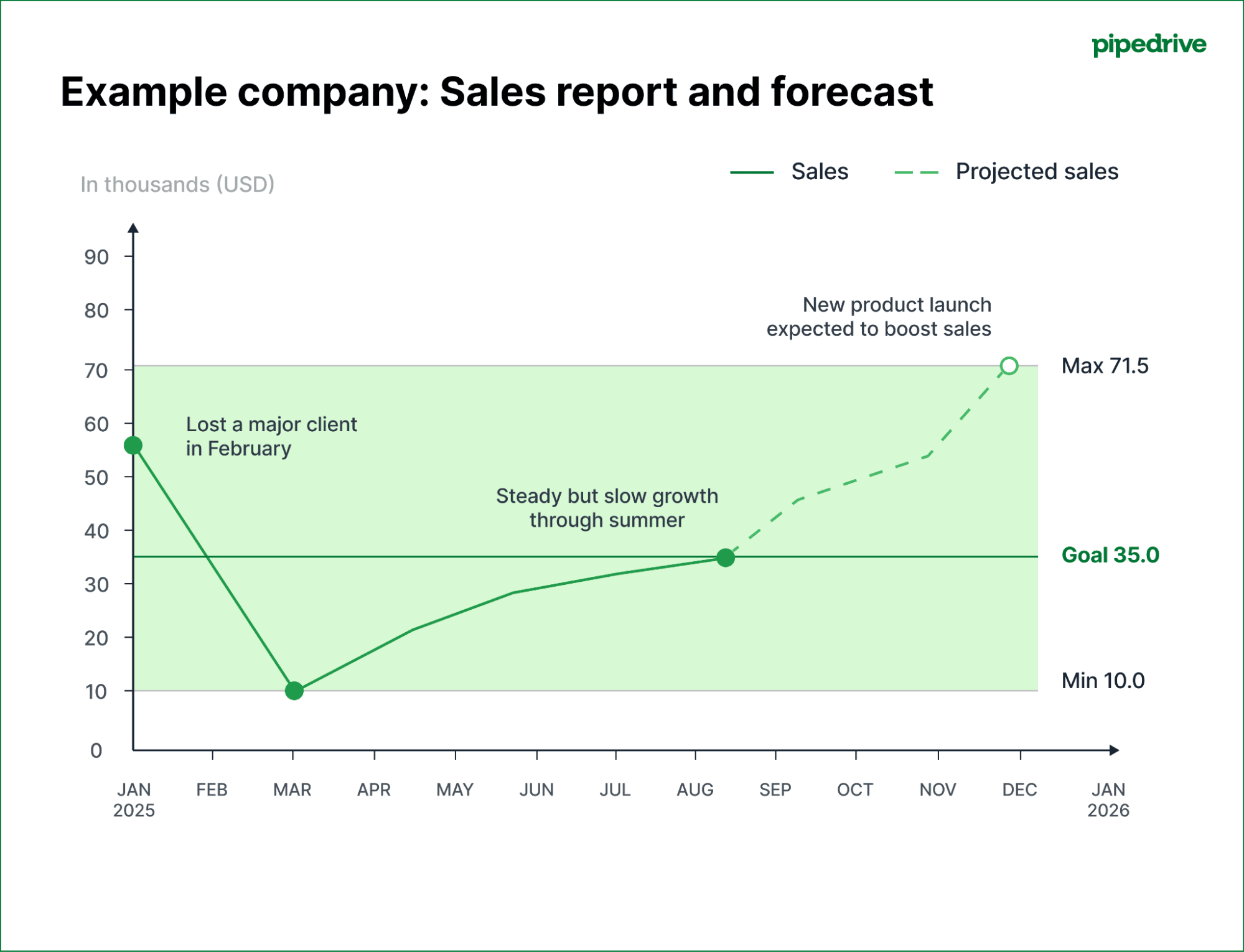
Learn what changed
Share work completed, observations, limitations, and a recommended next step grounded in the evidence currently available.
The client brings business knowledge.
- Goals, customer insights, and context
- Relevant system access and existing content
- Feedback, approvals, and a decision owner
- Service-specific facts that must be accurate
Webskout brings an organised approach.
- Clear project priorities and deliverables
- Explanations without unnecessary jargon
- Reviewable assets and quality checks
- Practical reporting and next-step recommendations
Project signalsIllustrative reporting layout
PICK A DIFFERENT QUESTION
Search
Paid media
Website
Search
Is the right content being discovered?
Review eligible pages, useful search terms, indexing, and relevant impressions alongside the quality of enquiries.
Relevant impressionsPage qualityEnquiries
Decorative example only. No client analytics or performance results are shown.
Paid media
Are clicks becoming qualified conversations?
Compare ad spend, search relevance, properly recorded enquiries, and the quality of follow-up instead of focusing on clicks alone.
Budget contextEnquiry qualityLanding-page fit
Decorative example only. No client analytics or performance results are shown.
Website
Is the website making the next step easier?
Check mobile usability, important page interactions, completed contact actions, and patterns of avoidable customer confusion.
Mobile experienceContact actionsTask completion
Decorative example only. No client analytics or performance results are shown.
REPORTING SHOULD ANSWER A QUESTION
Proof means knowing what actually changed.
Each marketing channel creates different useful signals. A redesign should be reviewed for usability and enquiry flow. A paid campaign needs spend, conversion quality, and tracking context. Search work needs a clear view of indexing, queries, pages, and business outcomes.
Use the tabs to see example reporting questions. They are teaching examples, not invented success charts. A genuine client report must explain dates, data sources, limitations, and the difference between work delivered and results observed.
REAL WEBSITES. VERIFIABLE RESULTS ONLY.
What belongs in an authentic case study?
Before Webskout publishes project performance figures, the story should be useful and verifiable. It should explain the situation before the work, the changes made, the conditions that influenced the outcome, and how the results were measured.
A client-approved outcome case study can be named or appropriately anonymised. Either way, it should respect permissions, distinguish estimates from confirmed data, and avoid implying that one business’s outcome is guaranteed for another.
Start with facts
Baseline, audience, scope, dates, and source data.
Add context
Approvals, changes, limitations, and what is next.

DIFFERENT WORLDS. SIMILAR QUESTIONS.
We start with the customer, not a template.
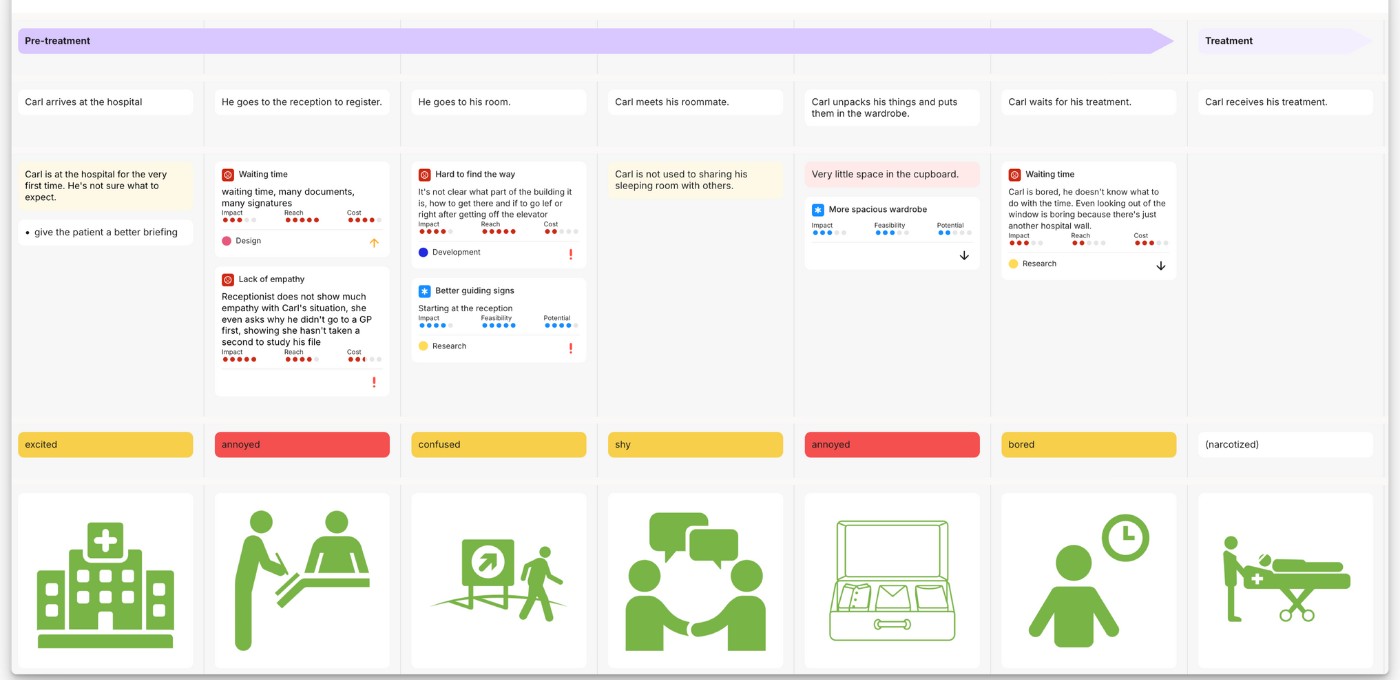
The audience, buying journey, content needs, and constraints change from industry to industry. These doodles represent additional industries. The named profiles above are real projects; these sector icons are simply examples of possible areas of work.

Local businesses
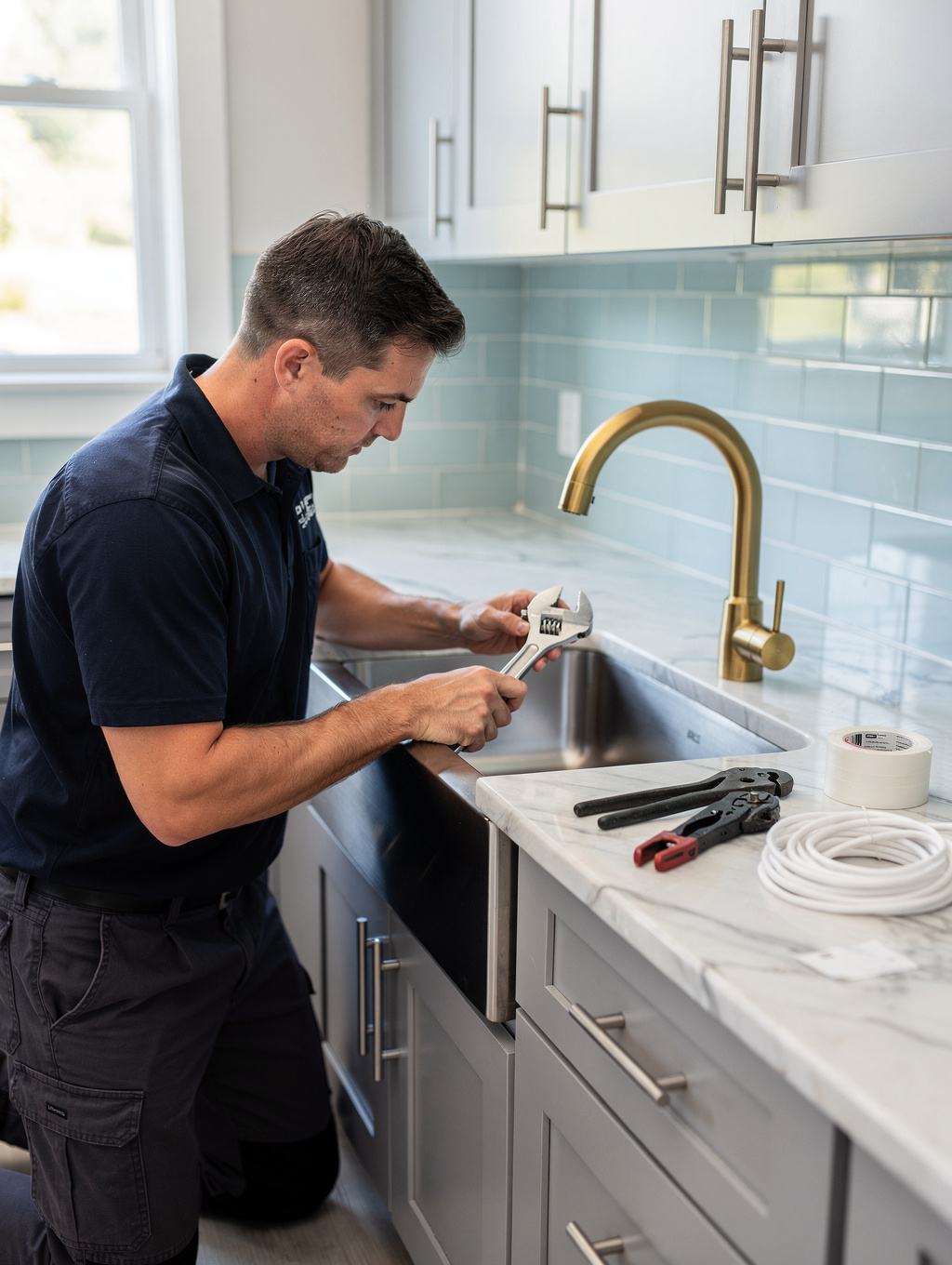
Home services

Online stores
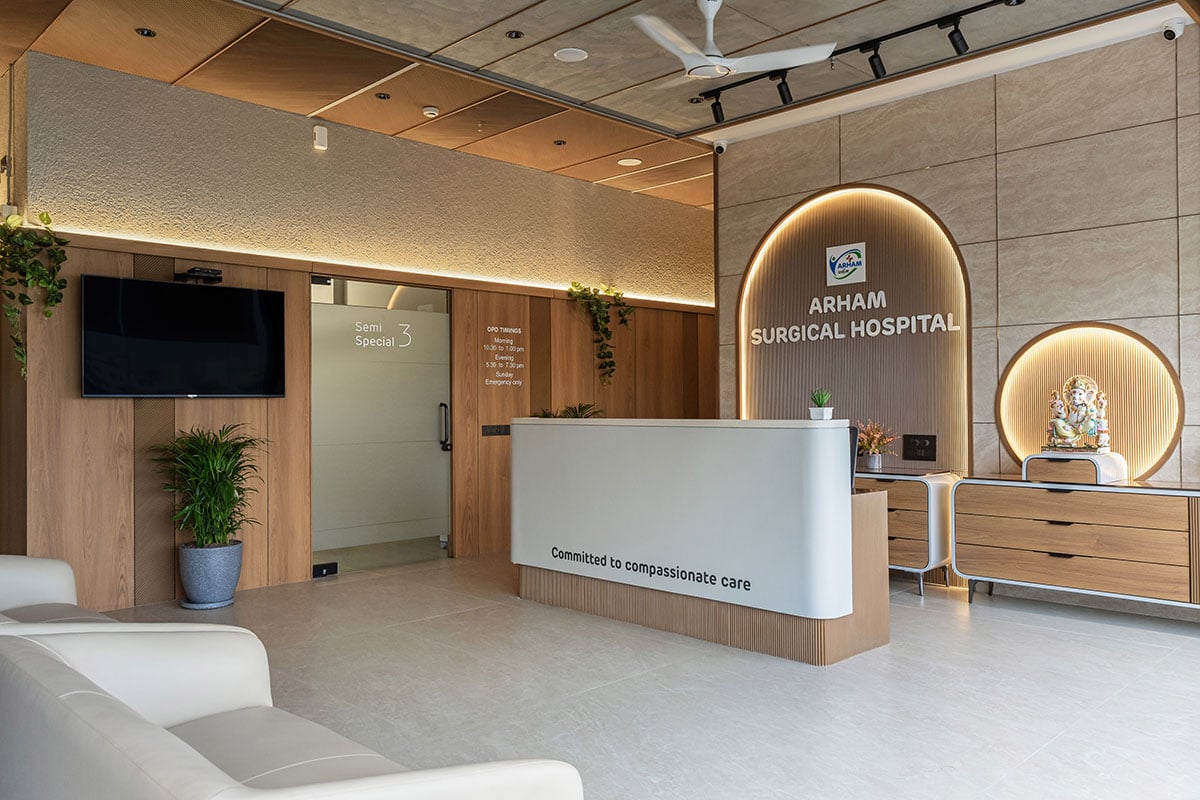
Health services

Education

Property businesses
ANSWERS BEFORE A SALES CALL
Good questions build trust.
It is sensible to ask what counts as a project, what results can actually be verified, how budgets work, and what you will receive. Here are straightforward answers.

Yes. RegCakes, Turtles & Tees, Lucky & Oscar, and MindLift Scholars are real websites provided by the Webskout founder as project experience. The public business information has been reviewed. Webskout’s exact contributions, permission details, and performance results still need confirmation before they are included in outcome case studies.
Being connected to a project does not establish exactly which services were delivered or which results were achieved. We show the real businesses and public-facing website context now, then add role, scope, evidence, dates and client-approved outcomes when available.
An approved business or anonymised context, the starting situation, the goals, the agreed service scope, a dated sequence of work, the metrics used, verifiable observations, important limitations, and explicit permission to share.
No. Search rankings, AI citations, lead volumes, and sales depend on factors outside any agency’s full control. The scope can define practical tasks, milestones, reporting methods, and the business signals to review.
A project could begin with research and a website plan, then move into design, content, technical setup, and testing. The proposal should clarify pages, revisions, hosting, ownership, inputs, and post-launch support.
Yes, the intended approach supports starting with the most relevant discipline, such as SEO, PPC, AEO/GEO, social media, or website design, rather than requiring every service at once. The actual scope is confirmed before work begins.
Useful inputs can include business goals, access to relevant accounts, an outline of your services, approved brand materials, existing performance data where available, customer questions, and a decision-maker for approvals.
Measurement depends on the engagement. Examples include qualified enquiries, the completion of on-page improvements, landing-page usability, relevant organic search visibility, tracked campaign actions, and content performance. We distinguish actions taken from results observed.
The reporting frequency and format should be set in the agreed proposal. A useful update should state what was completed, what was checked, what has changed, what remains unknown, and what happens next.
Ad spend, platform charges, creative work, and agency management are separate budget items unless the signed agreement explicitly says otherwise. A PPC proposal should identify these boundaries before the campaign begins.
No. AI-assisted search products choose which sources to use, and their behaviour can change. AEO/GEO work concentrates on clear information architecture, useful answers, reliable source pages, and honest monitoring.
Tell us about your industry, customer journey, and goals. The featured websites demonstrate diverse business contexts, not restrictions on who our services may suit. A discovery conversation can determine whether there is a useful fit.
YOUR BUSINESS HAS ITS OWN STORY
Let's make the next chapter clearer.
Tell us what you are building, what feels confusing, or where you want to grow. We can discuss a sensible starting point, what the work could involve, and how progress should be judged.
Or email info@webskout.com